Sonia Yael Slutzki
Educator, Speaker & Trauma-Informed Coach specialising in stress, nervous system regulation and the unconscious patterns that shape human behaviour.
Divulgadora, ponente y coach especializada en estrés, regulación del sistema nervioso y patrones inconscientes que influyen en la forma en que vivimos, sentimos y nos relacionamos.

National Board Certified
Health and Wellness Coach
NBC-HWC is considered one of the highest international standards in profesional health & wellness coaching.Considerada una de las certificaciones internacionales más rigurosas en coaching de salud y bienestar.
Sonia Yael Slutzki
Acompaño a personas, grupos y organizaciones a comprender y transformar los patrones de estrés, protección y supervivencia que terminan condicionando cómo vivimos, trabajamos y nos relacionamos.Mi trabajo une cuerpo, emociones, sistema nervioso y patrones inconscientes para que aquello que hoy se vive como ansiedad, agotamiento, autoexigencia o bloqueo pueda empezar a comprenderse, transformarse —y vivirse— de otra manera.
Cuando la supervivencia se convierte en una forma de vida
Vivir en tensión constante. Sentir que nunca terminas de relajarte del todo.O justo lo contrario: sentirte desconectada, bloqueada, sin energía, como si estuvieras en piloto automático.Es fácil acabar pensando que simplemente eres así: demasiado intensa, demasiado sensible, demasiado exigente… o demasiado dispersa, distante o desconectada.Pero no se trata de rasgos fijos de tu personalidad, ni de algo que venga simplemente marcado en tus genes.Son formas que tu cuerpo y tu sistema nervioso aprendieron de responder para protegerte, adaptarse a lo que la vida te pedía y ayudarte a sobrevivir, tanto física como emocionalmente.El problema es que esas respuestas pueden seguir apareciendo mucho después de que hayan cambiado las circunstancias que las hicieron necesarias.Puedes encontrarte viviendo en un estado de alerta constante, exigiéndote demasiado y anticipando siempre lo que puede pasar después… o entrando en el bloqueo, la desconexión y esa sensación de no estar del todo presente en tu propia vida.Intentar salir de ahí a base de más control, fuerza de voluntad o disciplina suele añadir todavía más presión y más lucha.El cambio empieza cuando dejamos de preguntarnos «¿qué me pasa?» y empezamos a sentir curiosidad por aquello de lo que nuestra mente y nuestro cuerpo han estado intentando protegernos.Porque cuando empezamos a comprender qué hay debajo de esos patrones —no solo desde la cabeza, sino también observando cómo siguen presentes en el cuerpo, las emociones y el sistema nervioso— se abre la posibilidad de responder de otra manera.Y ahí es donde puede empezar la transformación.
No estamos rotas
Cuanto más he estudiado el estrés, el trauma, el apego, los patrones emocionales y el sistema nervioso, más he aprendido a mirar el comportamiento humano desde la adaptación y no desde la patología.Esa mirada está en la base de mi forma de trabajar.Más que preguntarnos únicamente cómo eliminar un síntoma o cambiar una conducta, me interesa entender qué función cumple, a qué está respondiendo y qué necesidad o experiencia puede haber debajo.Esto nos permite trabajar con los patrones, en lugar de luchar contra ellos.El objetivo no es convertirte en otra persona, sino generar suficiente conciencia, seguridad y flexibilidad para que esas antiguas respuestas de protección dejen de ocupar tanto espacio y de condicionar tu vida.A partir de ahí, puede aparecer más capacidad de elección, más conexión contigo y más espacio para vivir de una manera que sientas verdaderamente tuya.
“Sonia, quería darte las gracias porque después de hablar contigo, por fin entendí tantas cosas.Ahora comprendo el porqué de muchas actuaciones, sobre todo de mi madre, y eso me está permitiendo mirar mi historia de otra manera. Estoy ahora en un proceso de perdón y espero poder llegar hasta ahí de verdad.Por favor, sigue haciendo el trabajo que haces. Es maravilloso.Mil gracias y mil besos.”
--Maria Luisa, Clienta
Formas de trabajar
Mi enfoque es práctico, relacional y adaptado a cada persona.El trabajo no consiste solo en entender por qué sientes o haces determinadas cosas. También se trata de aprender a reconocer tus patrones mientras están ocurriendo —en el cuerpo, las emociones, los pensamientos y las relaciones— y empezar a responder de otra manera.Con el tiempo, esto puede traducirse en sentirte menos a merced de la ansiedad, la autoexigencia, la rumiación o las reacciones automáticas; tener más claridad sobre lo que necesitas; poner límites con mayor seguridad; recuperar el equilibrio con más facilidad cuando algo te descoloca; y tomar decisiones desde un lugar más estable y conectado contigo.En última instancia, el objetivo es crear más espacio entre lo que ocurre y cómo respondes, para que tu vida esté menos condicionada por patrones antiguos y más guiada por elecciones conscientes.Trabajo de distintas maneras, según la persona, el grupo y el contexto.Coaching
Trabajo individual para explorar y transformar patrones emocionales, relacionales y de supervivencia que siguen influyendo en tu vida actual.Talleres
Espacios grupales y experienciales para comprender cómo el estrés y el sistema nervioso influyen en nuestra manera de vivir, trabajar, comunicarnos y relacionarnos.Ponencias
Charlas que integran ciencia, experiencia vivida, narrativa y reflexión para abrir nuevas formas de comprendernos a nosotros mismos y a los demás.
Sobre mi
Este trabajo empezó mucho antes de que tuviera palabras para nombrarlo.Mucho antes de conocer términos como sistema nervioso, trauma, apego o trabajo con partes internas.
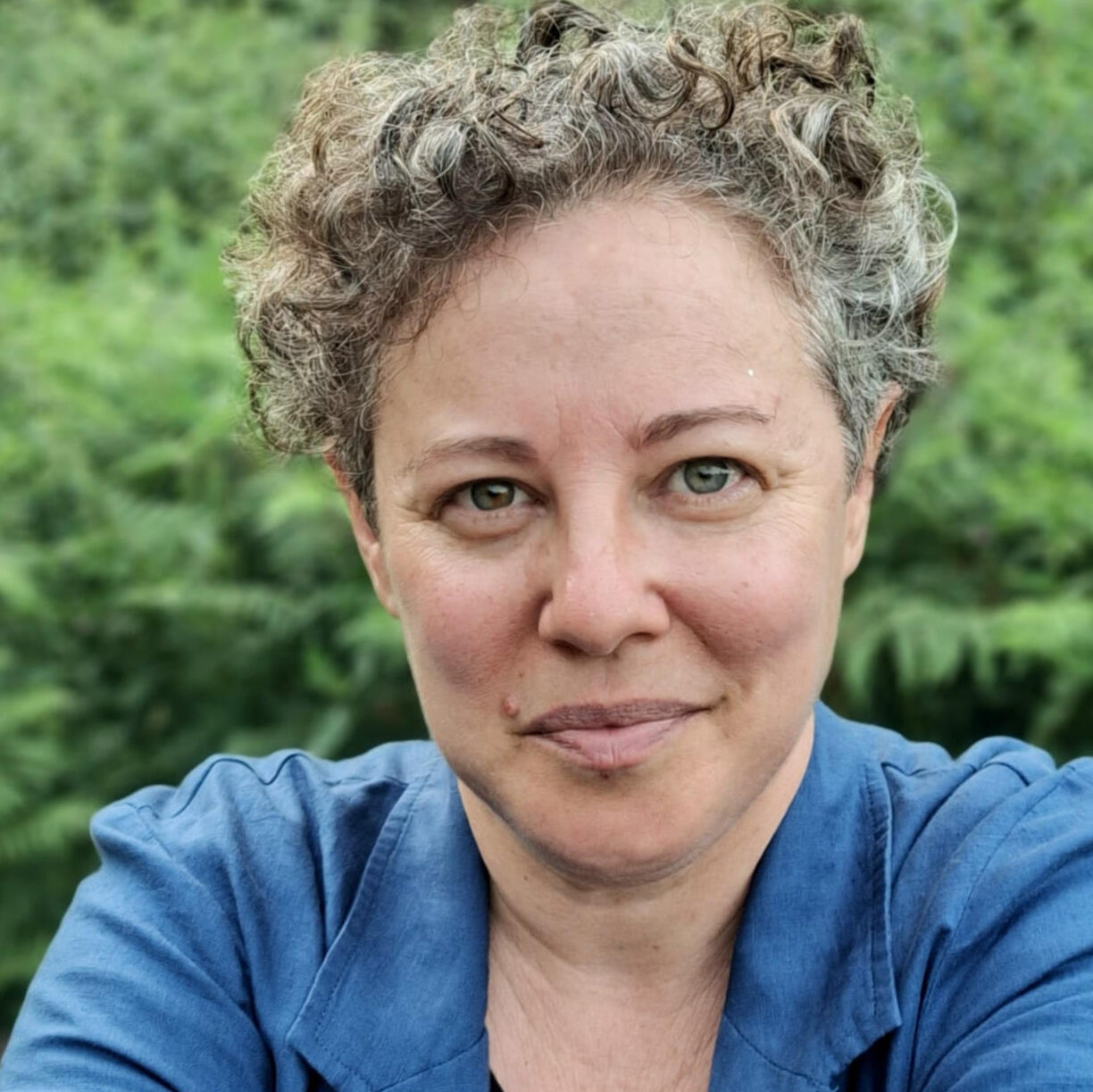
Creo que empezó observando a las personas. Percibiendo lo que ocurría emocionalmente debajo de muchas conversaciones. Intentando entender por qué los seres humanos podemos querernos profundamente y aun así hacernos daño. Por qué algunas personas parecen poder descansar dentro de sí mismas mientras otras viven como si su cuerpo estuviera siempre preparándose para lo siguiente.Crecí entre culturas, idiomas y mundos distintos: Venezuela, Argentina, Estados Unidos y España. Diferentes maneras de relacionarse. Diferentes maneras de expresar las emociones. Diferentes maneras de adaptarse y sobrevivir.Mirando hacia atrás, creo que vivir entre mundos me enseñó muy pronto que el comportamiento humano es mucho más adaptativo, contextual e inconsciente de lo que solemos imaginar.Durante gran parte de mi vida seguí funcionando mientras cargaba muchísimo por dentro. Conozco bien lo que significa vivir con el sistema nervioso en tensión constante. Ser la persona que sostiene, organiza, anticipa, percibe el ambiente emocional de una habitación y sigue adelante aunque el cuerpo lleve tiempo agotado.Y también conozco el desgaste que produce vivir así durante años. El impacto que el estrés crónico puede tener sobre el cuerpo, el descanso, el sistema digestivo, las emociones y la sensación general de bienestar.Llegó un momento en el que entenderme intelectualmente dejó de ser suficiente. Podía explicar perfectamente mis patrones y aun así seguir atrapada en ellos. Seguir sintiendo la tensión, la alerta o la rumiación constante.Aprender sobre fisiología del estrés, regulación del sistema nervioso, mindfulness, Internal Family Systems y Compassionate Inquiry no solo me dio herramientas. Cambió profundamente la manera en que entiendo mis relaciones, mi historia y lo que significa ser humana.Dejé de preguntarme:
‘¿Qué me pasa?’Y empecé a preguntarme:
‘¿Qué aprendimos para sobrevivir?’
‘¿Qué adaptaciones acabaron convirtiéndose en identidad?’
‘¿Qué ocurre cuando el cuerpo nunca termina de sentir que el peligro ya pasó?’Ese cambio transformó profundamente mi forma de mirar el mundo.Cuanto mayor me hago, menos me interesa la perfección, la optimización o la obsesión por mejorarnos constantemente.Me interesa más la honestidad.
La conciencia.
La posibilidad de relacionarnos con nosotros mismos desde un lugar menos duro y más humano.Porque debajo de mucho sufrimiento, lo que muchas veces veo son sistemas nerviosos sosteniendo más de lo que jamás deberían haber tenido que cargar solos.
Formación profesional

NBC-HWC Certified Health & Wellness Coach
La acreditación NBC-HWC (National Board Certified Health & Wellness Coach) es una certificación internacional que representa uno de los estándares profesionales más rigurosos dentro del ámbito del coaching en salud y bienestar.Esta formación pone un fuerte énfasis en el coaching basado en evidencia científica, la ética profesional, los límites y alcance de la práctica, la psicología del cambio, la entrevista motivacional, la psicología positiva y los procesos de transformación sostenibles.Más allá de dar consejos o imponer protocolos rígidos, los profesionales formados bajo este modelo aprenden a facilitar cambios reales y duraderos a través de la escucha profunda, la colaboración y estrategias personalizadas que respetan la autonomía, la historia y las necesidades de cada persona.Mi formación profesional fue realizada a través de Institute for Integrative Nutrition (IIN)

Compassionate Inquiry
Tengo formación en Compassionate Inquiry, un enfoque terapéutico desarrollado por Gabor Maté que explora los patrones inconscientes, creencias y adaptaciones emocionales que se desarrollan a partir del estrés, las experiencias vitales y los vínculos tempranos.Este enfoque pone énfasis en la curiosidad, la seguridad emocional y la autocompasión, ayudando a las personas a comprender con mayor profundidad las dinámicas internas que pueden estar detrás del estrés crónico, las reacciones automáticas, los mecanismos de protección y determinados patrones emocionales o relacionales.El objetivo no es juzgar ni patologizar, sino crear más conciencia, conexión y capacidad de elección frente a aquello que antes funcionaba en automático.

Internal Family Systems (IFS) – Self-Leadership & Parts Work
También me he formado en Internal Family Systems (IFS), un modelo terapéutico desarrollado por Richard C. Schwartz que explora las diferentes “partes” internas o patrones de protección que influyen en nuestras emociones, comportamientos y relaciones.IFS ayuda a desarrollar mayor conciencia emocional, autorregulación y liderazgo interno al comprender las funciones adaptativas que pueden existir detrás de la ansiedad, el perfeccionismo, la autoexigencia, la complacencia, la autocrítica o la reactividad emocional.Mi trabajo integra especialmente herramientas inspiradas en IFS aplicadas a la regulación del sistema nervioso, la conciencia emocional y el cambio de patrones automáticos.
Integrative Nutrition Health Coach (IIN)
Mi formación en Institute for Integrative Nutrition (IIN)
se basa en un enfoque integrativo y holístico de la salud y el bienestar. Este modelo entiende que la salud no depende únicamente de la alimentación, sino también de factores como el estrés, las relaciones, el descanso, el propósito, el entorno, el estado emocional y los hábitos cotidianos.La formación combina nutrición integrativa, psicología del comportamiento, metodologías de coaching y educación en hábitos de vida, entendiendo que cada persona tiene necesidades, historias y procesos de cambio diferentes.
Coaching
Muchas personas llegan porque sienten que algo se repite.Entienden muchas cosas sobre sí mismas, pero siguen reaccionando de maneras que les hacen daño, agotándose, sobrepensando, perdiéndose en determinadas relaciones o sintiendo que ciertas situaciones tienen demasiado poder sobre ellas.Mi trabajo consiste en ir a lo que hay debajo.No solo hablar sobre lo que ocurre, sino prestar atención a lo que se activa en el presente: en el cuerpo, en las emociones, en las creencias y en esas partes de nosotros que aprendieron a protegernos mucho antes de que supiéramos ponerles nombre.A veces ahí aparece algo que llevábamos años intentando resolver desde la cabeza.Y cuando podemos acercarnos a ello de otra manera —con presencia, curiosidad y sin juicio— algo empieza a cambiar.No porque aprendamos a controlar mejor lo que sentimos, sino porque empezamos a comprenderlo desde un lugar más profundo y a vivirlo de una forma distinta.Con el tiempo, eso puede significar menos rumiación, menos miedo a determinadas emociones o conflictos, menos necesidad de anticiparlo todo y menos desgaste interno.Pero también algo más importante: confiar más en lo que sientes, reconocer antes lo que necesitas, poner límites con mayor claridad, recuperarte con más facilidad cuando algo te afecta y sentir que tus viejas heridas ya no tienen que decidir por ti.No busco ayudarte a funcionar mejor dentro de los mismos patrones.Busco ayudarte a comprenderlos, atravesarlos y transformar aquello que sigue manteniéndolos vivos.Para que cada vez dediques menos energía a anticiparte, defenderte, sostenerlo todo o reaccionar desde viejas heridas, y tengas más espacio para la conexión, la curiosidad, el disfrute y la posibilidad de elegir cómo quieres vivir.
“Llegué al acompañamiento con mucho estrés, ansiedad y una mochila emocional que ni siquiera sabía que llevaba tan cargada.Desde la primera sesión sentí algo que para mí fue fundamental: cercanía, humanidad y una profunda sensación de seguridad. Nunca me sentí juzgada. Al contrario, sentí que podía hablar desde el alma.Lo que más valoro de Sonia es su capacidad para ‘tirar del hilo’ con una delicadeza y una intuición increíbles. Poco a poco me fue ayudando a llegar a heridas, bloqueos y experiencias que estaban muy escondidas, incluso a aspectos de mí misma que nunca había visto ni comprendido.Tiene una manera muy empática y cálida de acompañar, creando un espacio de confianza donde es posible acercarse a lugares internos muy sensibles sin sentirse invadida.También valoro muchísimo las pautas y herramientas que propone entre sesiones. Siempre adapta el proceso a cómo estás, a tus posibilidades reales y a lo que puedes sostener en cada momento, sin exigencias ni presión.Gracias a su acompañamiento he podido comprender muchas cosas de mi historia, sanar partes de mí que necesitaban atención y empezar a vivir con mayor conciencia y paz interior. Hoy me siento más fuerte, más segura de mí misma y mucho más conectada conmigo. Siento que he recuperado una tranquilidad que no sabía que podía llegar a tener.Estoy profundamente agradecida por todo lo que me ha ayudado y por la forma tan cálida y profesional con la que acompaña cada proceso. Ha supuesto un antes y un después en mi vida.”
-- Gracia, Clienta
¿Qué ocurre durante una sesión?
Cada sesión parte de lo que está vivo para ti en ese momento.Podemos empezar por algo que ha ocurrido durante la semana, una relación, una reacción que no consigues entender, una emoción que se repite o simplemente una sensación difícil de nombrar.Desde ahí, vamos prestando atención no solo a la historia, sino también a lo que ocurre mientras la cuentas: qué sientes, qué aparece en el cuerpo, dónde surge tensión, qué emociones se hacen presentes y qué creencias o respuestas parecen estar organizando la experiencia.A veces el trabajo nos lleva a lugares inesperados. Otras veces lo importante es detenernos justo donde normalmente seguirías adelante, te desconectarías o intentarías resolverlo todo desde la cabeza.No sigo un protocolo cerrado.La sesión se construye alrededor de ti, de lo que aparece y de aquello que en ese momento necesita ser visto, sentido, comprendido o acompañado.Según lo que necesitemos, puedo integrar mindfulness, regulación del sistema nervioso, trabajo con partes internas, exploración relacional y otros recursos experienciales.
¿Cuál es la diferencia entre coaching y psicoterapia?
Mi trabajo no es psicoterapia. No diagnostico ni trato trastornos de salud mental.El coaching que ofrezco se centra en los patrones, respuestas y dinámicas que están influyendo en cómo vives, te relacionas y atraviesas determinadas situaciones en el presente.Es un trabajo experiencial y relacional que puede incluir conciencia corporal y emocional, regulación del sistema nervioso, exploración de patrones y herramientas que puedan trasladarse a la vida cotidiana.Algunas personas trabajan conmigo mientras hacen psicoterapia. Otras llegan buscando un espacio de exploración y transformación personal que no sea clínico.Y si en algún momento considero que tus necesidades requieren acompañamiento psicoterapéutico o clínico, te lo diré con claridad.
¿Trabajas online o presencialmente?
Trabajo tanto online como presencialmente desde España.Acompaño online a personas de distintos lugares del mundo y también realizo sesiones, talleres y colaboraciones presenciales dependiendo del contexto y la ubicación.
¿Cómo puedo empezar?
Ofrezco una llamada gratuita de 30 minutos para las personas que llegan por primera vez.Es un espacio para conocernos un poco, entender qué te está trayendo aquí, resolver dudas y ver si este tipo de trabajo tiene sentido para ti en este momento.También es una oportunidad para que puedas hacerte una idea de cómo trabajo y sentir si este enfoque encaja contigo.No todos los enfoques sirven para todo el mundo, y para mí es importante que ambas sintamos que tiene sentido trabajar juntas.Si decidimos continuar, veremos qué ritmo y qué tipo de proceso se adaptan mejor a tus necesidades, objetivos y realidad actual.
Talleres y espacios grupales
El estrés no solo afecta a cómo nos sentimos por dentro. También influye en cómo nos comunicamos, cómo trabajamos, cómo reaccionamos ante el conflicto y cómo nos relacionamos con los demás.Mis talleres están diseñados para ayudar a reconocer esas dinámicas con más claridad y, sobre todo, a observar cómo aparecen en tiempo real: en el cuerpo, en la atención, en las emociones, en la comunicación y en la forma en que los grupos responden bajo presión.Porque cuando entendemos mejor lo que ocurre en el sistema nervioso, muchas situaciones empiezan a verse de otra manera.El conflicto puede dejar de sentirse únicamente como un problema entre personas.El burnout puede empezar a entenderse también como el resultado de una acumulación sostenida de estrés.La hipervigilancia, el bloqueo, la desconexión, la autoexigencia o el desbordamiento dejan de ser conceptos abstractos y empiezan a reconocerse como experiencias concretas que podemos aprender a identificar y abordar.Mis talleres combinan educación sobre el sistema nervioso, mindfulness, conciencia emocional, reflexión, diálogo grupal y prácticas corporales desde un enfoque práctico y experiencial.Me interesa que las personas no solo entiendan más, sino que puedan reconocer antes lo que les está ocurriendo, disponer de recursos para regularse y comunicarse mejor, y desarrollar formas más conscientes de atravesar el estrés, el conflicto y la presión cotidiana.Algunos talleres son experiencias independientes. Otros se diseñan en colaboración con el grupo u organización, adaptando contenidos, duración y formato a sus necesidades.Trabajo habitualmente con docentes, profesionales de ayuda, organizaciones comunitarias, activistas, personas con discapacidad y grupos que quieren crear entornos más conscientes, sostenibles y saludables para quienes forman parte de ellos.
“Mi experiencia ha sido profundamente enriquecedora. Desde el primer momento me he sentido acompañada emocionalmente y sostenida dentro de una comunidad que cuida tanto el bienestar físico como el emocional.A través del trabajo con Sonia he aprendido a observarme de otra manera, a reconocer mejor lo que me ocurre y a prestar más atención a mis propias necesidades. Uno de los aprendizajes más importantes ha sido comprender que el autocuidado no es algo secundario, sino una parte fundamental de nuestro bienestar.Poco a poco he ido incorporando hábitos más conscientes en mi día a día y herramientas que me ayudan a pasar de la reflexión a la acción.También he encontrado un espacio donde puedo expresarme con libertad, compartir tanto lo que me motiva como aquello que me frena, sin sentirme juzgada.Para mí, ha sido un espacio de aprendizaje, cultura, conexión y crecimiento personal que me ha ayudado a conocerme mejor y a avanzar con mayor claridad y conciencia hacia mis objetivos y propósitos.”-- Isabel García
Participante


Entidades y Organizaciones con las que colaboro


Ponencias
Hay un momento que me interesa especialmente cuando hablo ante un público.Ese instante en el que algo encaja.Cuando una experiencia que hasta entonces parecía confusa, vergonzosa o difícil de explicar empieza a verse desde otro lugar.Cuando una reacción, una emoción o un patrón deja de parecer algo arbitrario y empieza a tener sentido.Ese cambio de perspectiva puede ser profundamente liberador.Mis ponencias combinan neurociencia, psicología, experiencia personal, narrativa y reflexión cultural para explorar las fuerzas —muchas veces invisibles— que influyen en cómo vivimos, trabajamos, nos relacionamos y entendemos lo que nos ocurre.Hablo sobre estrés y burnout, ansiedad, autoexigencia, hipervigilancia, pertenencia, relaciones, identidad, regulación emocional y sobre las formas en que nuestras experiencias y adaptaciones terminan dando forma a cómo vemos el mundo y a cómo nos vemos a nosotros mismos.Pero no me interesa simplemente transmitir información.Me interesa crear esos momentos en los que una idea deja de ser teoría y empieza a reconocerse en la propia experiencia.Cuando algo que llevábamos años viviendo de una determinada manera adquiere otro significado.Cuando entendemos algo nuevo sobre nosotros mismos y, muchas veces, también sobre los demás.Con menos culpa.Con menos vergüenza.Con más curiosidad.Y con nuevas preguntas.A diferencia de los talleres, que son más participativos y experienciales, las ponencias están pensadas para abrir nuevas perspectivas, provocar reflexión y dejar algo resonando mucho después de que termine la charla.Porque a veces comprender algo desde otro lugar no cambia solo lo que pensamos.Cambia la manera en que nos vemos, cómo entendemos a los demás y las posibilidades que somos capaces de imaginar a partir de ahí.
Contacto
Si algo de este trabajo resuena contigo, puedes escribirme.Ya sea porque estás buscando acompañamiento individual, talleres, ponencias o simplemente porque quieres explorar si este enfoque tiene sentido para ti, estaré encantada de escucharte.
Sonia Yael Slutzki
I work with individuals, groups, and organizations to understand and transform the patterns of stress, deffensiveness, and survival that shape how we interpret the world and relate to one another.My work brings together the body, emotions, the nervous system, and unconscious patterns so that the root cause of our conflicts, anxiety, burnout, perfectionism, procrastination or dissociation can begin to be understood and transformed.
When Survival Becomes a Way of Life
Living in a state of tension. Feeling like you never quite switch off.Or the opposite: feeling disconnected, shut down, stuck, low on energy, or as though you are moving through life on autopilot.It is easy to start thinking that this is simply who you are: too intense, too sensitive, too demanding… or too distracted, distant, or disconnected.But these are not fixed personality traits, nor are they simply encoded in your genetics.They are ways your body and nervous system learned to respond in order to protect you, adapt to what life required of you, and survive—physically and emotionally.The difficulty is that these responses can continue long after the circumstances that made them necessary have changed.You can find yourself caught in constant alertness, pushing yourself too hard and always anticipating what might happen next… or moving into shutdown, disconnection, and the sense that you are not fully present in your own life.Trying to force your way out through more control, willpower, or discipline often adds yet another layer of struggle.Change begins when we stop asking, “What’s wrong with me?” and start becoming curious about what our mind and body have been trying to protect us from.Because when we begin to understand what lies beneath these patterns—not only intellectually, but in the ways they continue to live in the body, emotions, and nervous system—we create the possibility for something different.That is where transformation can begin.
We are not broken
The more I have studied stress, trauma, attachment, emotional patterns, and the nervous system, the more I have come to see human behavior through the lens of adaptation rather than pathology.That perspective shapes the way I work.Rather than asking only how to change a behavior or belief, I am interested in understanding what it is doing, what it is responding to, and what need or experience may lie underneath it.This allows us to work with patterns rather than against them.The aim is not to turn you into a different person, but to help create enough awareness, safety, and flexibility that old protective responses no longer have to organize so much of your life.From there, there can be more choice, more connection, and more room to live in a way that feels like your own.
“Sonia, I wanted to thank you because after talking with you, so many things finally made sense.I now understand the reasons behind so many behaviors, especially my mother’s, and that is helping me look at my own story in a different way. I’m now in a process of forgiveness, and I truly hope I can get there.Please keep doing the work you do. It is wonderful.Thank you so, so much, and sending you lots of love.”
--Maria Luisa, Client
My approach
My approach is practical, relational, and adapted to each person.The work is not only about understanding why you feel or behave the way you do. It is also about learning to notice your patterns as they are happening—in your body, emotions, thoughts, and relationships—and developing different ways of responding to them.Over time, this can mean feeling less at the mercy of anxiety, self-pressure, rumination, or automatic reactions; becoming clearer about what you need; setting boundaries with more confidence; recovering more easily when something throws you off balance; and making decisions from a steadier, more connected place.Ultimately, the aim is to create more space between what happens and how you respond, so that your life feels less governed by old patterns and more shaped by conscious choice.I work in different ways depending on the person, group, and context.Coaching
One-to-one work to explore and transform emotional, relational, and survival patterns that are still shaping your life today.Workshops
Experiential group spaces that help people understand how stress and the nervous system affect the way we live, work, communicate, and relate to one another.Talks
Talks that bring together science, lived experience, storytelling, and reflection to open up new ways of understanding ourselves and each other.
About me
This work began long before I had the words to name it.Long before I knew terms like nervous system, trauma, attachment, or inner parts work.
I think it began with observing people. Noticing what was happening emotionally beneath so many conversations. Trying to understand why human beings can love each other deeply and still hurt one another. Why some people seem able to rest within themselves, while others live as if their bodies are always bracing for whatever comes next.I grew up between cultures, languages, and different worlds: Venezuela, Argentina, the United States, and Spain. Different ways of relating. Different ways of expressing emotion. Different ways of adapting and surviving.Looking back, I think living between worlds taught me very early on that human behavior is far more adaptive, contextual, and unconscious than we often imagine.For much of my life, I kept functioning while carrying an enormous amount internally. I know well what it means to live with a nervous system under constant tension. To be the person who holds things together, organizes, anticipates, reads the emotional atmosphere in a room, and keeps going even when the body has been exhausted for a long time.And I also know the toll of living that way for years. The impact chronic stress can have on the body, sleep, digestion, emotions, and our overall sense of well-being.At some point, understanding myself intellectually was no longer enough. I could explain my patterns perfectly and still remain caught in them. Still feel the tension, the vigilance, the constant rumination.Learning about stress physiology, nervous system regulation, mindfulness, Internal Family Systems, and Compassionate Inquiry did more than give me tools. It profoundly changed the way I understand my relationships, my history, and what it means to be human.I stopped asking myself:“What’s wrong with me?”And started asking:“What did we learn in order to survive?”“What adaptations eventually became part of our identity?”“What happens when the body never fully gets the message that the danger has passed?”That shift profoundly changed the way I see the world.The older I get, the less interested I am in perfection, optimization, or the constant obsession with improving ourselves.I’m more interested in honesty.Awareness.The possibility of relating to ourselves from a place that is less harsh and more human.Because beneath so much suffering, what I often see are nervous systems carrying far more than they should ever have had to carry alone.
Professional Training

NBC-HWC Certified Health & Wellness Coach
The NBC-HWC credential (National Board Certified Health & Wellness Coach) is an internationally recognised certification that represents a rigorous professional standard in health and wellness coaching. The training emphasises evidence-based coaching, ethics, scope of practice, behavioural change, motivational interviewing, positive psychology and client-led transformation.Rather than giving advice or imposing rigid protocols, NBC-HWC coaches are trained to facilitate sustainable change through collaboration, deep listening, self-awareness and personalised strategies that respect each person’s autonomy, context and values.My professional training was completed through Institute for Integrative Nutrition (IIN).

Compassionate Inquiry
I have completed training in Compassionate Inquiry, a psychotherapeutic approach developed by Gabor Maté that explores the unconscious patterns, beliefs and emotional adaptations formed through stress, attachment and lived experience.This approach emphasises curiosity, emotional safety and compassionate self-awareness, helping individuals better understand the deeper dynamics that may drive automatic reactions, chronic stress, self-protection patterns and emotional suffering.The work supports greater connection between mind, body, emotions and behaviour, while encouraging lasting change rooted in awareness rather than shame or self-judgement.

Internal Family Systems (IFS) – Self-Leadership & Parts Work
I have also completed training in Internal Family Systems (IFS), a therapeutic model developed by Richard C. Schwartz that explores the different “parts” or protective patterns that shape human behaviour, emotions and relationships.IFS helps people develop greater self-awareness, emotional regulation and self-leadership by understanding the adaptive roles behind anxiety, perfectionism, people-pleasing, inner criticism, emotional reactivity and other survival strategies.My work particularly integrates IFS-informed approaches to nervous system regulation, emotional awareness and behavioural change.
Integrative Nutrition Health Coach (IIN)
My training through Institute for Integrative Nutrition (IIN)
focused on an integrative and holistic approach to health and wellbeing. This model understands health as something multidimensional — influenced not only by food, but also by stress, relationships, purpose, environment, rest, emotional wellbeing and daily habits.The training combines nutrition education with behavioural psychology, coaching methodologies and lifestyle medicine, while recognising that every individual has different needs, histories and ways of healing.
Coaching
Many people come to this work because something keeps repeating.They understand a lot about themselves, but still find themselves reacting in ways that hurt, exhausting themselves, overthinking, losing themselves in certain relationships, or feeling as though particular situations have too much power over them.My work is about getting underneath that.Not just talking about what is happening, but paying attention to what gets activated in the present: in the body, in emotions, in beliefs, and in the parts of us that learned how to protect us long before we had words for any of it.Sometimes that is where we find what we have spent years trying to solve from the head.And when we can meet it differently — with presence, curiosity, and without judgment — something begins to shift.Not because we learn to control our feelings better, but because we begin to understand them at a deeper level and experience them differently.Over time, that can mean less rumination, less fear around certain emotions or conflicts, less need to anticipate everything, and less internal strain.But it can also mean something more important: trusting what you feel, recognizing what you need sooner, setting boundaries more clearly, recovering more easily when something affects you, and no longer feeling that old wounds have to make your choices for you.I am not here to help you function better inside the same patterns.I am here to help you understand them, move through them, and transform what is still keeping them alive.So that less of your energy goes into anticipating, defending, holding everything together, or reacting from old wounds — and more of it becomes available for connection, curiosity, enjoyment, and the freedom to choose how you want to live.
“I came to this work carrying a great deal of stress, anxiety, and an emotional weight I hadn’t even realized had become so heavy.From the very first session, I felt something that was essential for me: warmth, humanity, and a deep sense of safety. I never felt judged. Quite the opposite — I felt I could speak openly and from the heart.What I value most about Sonia is her ability to gently ‘follow the thread’ with remarkable sensitivity and intuition. Little by little, she helped me reach wounds, blocks, and experiences that had been deeply buried, including parts of myself I had never really seen or understood before.She has a deeply empathetic and warm way of accompanying you, creating a space of trust where it feels possible to approach very sensitive inner places without ever feeling pushed or intruded upon.I also value enormously the guidance and practical tools she offers between sessions. She always adapts the process to where you are, to what is realistically possible for you, and to what you can hold at any given moment, without pressure or demands.Through her support, I have been able to understand so much about my own story, tend to parts of myself that needed attention, and begin living with greater awareness and inner peace. Today I feel stronger, more secure in myself, and much more connected to who I am. I feel I have regained a sense of calm I didn’t know was possible for me.I am deeply grateful for everything she has helped me with and for the warmth and professionalism she brings to the process. Working with her has marked a real before and after in my life.”
-- Gracia, Client
What happens during a session?
Each session starts with what feels most alive for you in that moment.We might begin with something that happened during the week, a relationship, a reaction you do not fully understand, an emotion that keeps coming up, or simply a feeling that is hard to put into words.From there, we pay attention not only to the story, but also to what is happening as you tell it: what you feel, what shows up in the body, where tension appears, what emotions come forward, and what beliefs or responses seem to be shaping the experience.Sometimes the work takes us somewhere unexpected. Other times, what matters most is slowing down at the very point where you would normally push through, disconnect, or try to solve everything from your head.I do not follow a rigid protocol.The session is shaped around you, what is emerging, and what needs to be seen, felt, understood, or supported in that moment.Depending on what is needed, I may draw on mindfulness, nervous system regulation, parts work, relational exploration, and other experiential approaches.
What is the difference between coaching and psychotherapy?
My work is not psychotherapy. I do not diagnose or treat mental health disorders.The coaching I offer focuses on the patterns, responses, and dynamics that are shaping how you live, relate, and move through particular situations in the present.It is experiential and relational work that may include body and emotional awareness, nervous system regulation, exploration of patterns, and practical tools that can carry into everyday life.Some people work with me alongside psychotherapy. Others come because they are looking for a space for personal exploration and change that is not clinical.And if at any point I believe your needs would be better supported in a psychotherapeutic or clinical setting, I will say so clearly.
Do you work online or in person?
I work both online and in person from Spain.I work online with people in different parts of the world, and I also offer in-person sessions, workshops, and collaborations depending on location and context.
How do I get started?
I offer a free 30-minute introductory call for people who are new to my work.It is a chance for us to get to know each other a little, understand what is bringing you here, answer any questions, and see whether this kind of work feels right for you at this point in your life.It also gives you a sense of how I work and whether this approach feels like a good fit.Not every approach is right for everyone, and it matters to me that we both feel the work makes sense.If we decide to continue, we can look together at the pace and structure that best fit your needs, goals, and current reality
Testimonials
Gracia (2026)
"Llegué a terapia con mucho estrés, ansiedad y depresión, y con una mochila emocional que ni siquiera sabía que llevaba tan cargada.Desde la primera sesión sentí algo que para mí fue clave: cercanía, humanidad y una sensación profunda de seguridad. Nunca me sentí juzgada. Al contrario, sentí que podía hablar desde el alma.Lo que más valoro de ella es su capacidad para “tirar del hilo” con una delicadeza y una intuición increíbles. Poco a poco fue ayudándome a llegar a heridas, bloqueos y traumas que estaban muy escondidos, incluso cosas de mí misma que jamás había visto ni comprendido.Tiene una manera muy empática y amorosa de acompañar, creando un ambiente de confianza y complicidad que hace posible abrir lugares internos muy sensibles sin sentirte invadida.También valoro muchísimo las pautas y herramientas que propone para los días posteriores a cada sesión. Siempre adapta todo a tus posibilidades reales, a cómo estás y a lo que eres capaz de sostener en cada momento, sin exigencias ni presión.Eso hizo que el proceso fuera humano y respetuoso, y me ayudó enormemente a ir saliendo poco a poco del lugar en el que estaba, sintiéndome acompañada también entre sesiones.Gracias a su acompañamiento he podido entender muchas cosas de mi historia, sanar partes de mí que estaban rotas y empezar a vivir con más conciencia y paz interior. Hoy me siento una persona más fuerte, más segura de mí misma y mucho más conectada conmigo. Siento que he recuperado una tranquilidad que no sabía que podía llegar a tener.Estoy profundamente agradecida por todo lo que me ha ayudado y por la forma tan cálida y profesional con la que acompaña cada proceso. Ha sido un antes y un después en mi vida."
Workshops
Stress does not only affect how we feel internally. It also shapes how we communicate, how we work, how we respond to conflict, and how we relate to one another.My workshops are designed to help people recognize these dynamics more clearly and, most importantly, notice how they show up in real time: in the body, in attention, in emotions, in communication, and in the way groups respond under pressure.When we understand more about what is happening in the nervous system, many situations begin to look different.Conflict can stop feeling like simply a problem between people.Burnout can be understood not only as an individual struggle, but also as the result of prolonged and accumulated stress.Hypervigilance, shutdown, disconnection, self-pressure, or overwhelm stop being abstract ideas and become recognizable experiences that we can learn to identify and work with.My workshops combine nervous system education, mindfulness, emotional awareness, reflection, group dialogue, and body-based practices in a practical and experiential format.What matters to me is that people leave not only with more information, but with a greater ability to recognize what is happening sooner, regulate themselves more effectively, communicate more clearly, and move through stress, conflict, and everyday pressure with greater awareness.Some workshops are offered as standalone experiences. Others are designed collaboratively with the group or organization, adapting the content, length, and format to their specific needs.I regularly work with educators, helping professionals, community organizations, activists, people with disabilities, and groups interested in creating more conscious, sustainable, and emotionally healthy environments for the people within them.
“My experience has been deeply enriching. From the very beginning, I have felt emotionally supported and held within a community that cares for both physical and emotional well-being.Through my work with Sonia, I have learned to observe myself in a different way, to better understand what is happening within me, and to pay closer attention to my own needs. One of the most important things I have learned is that self-care is not something secondary, but a fundamental part of our well-being.Little by little, I have begun incorporating more conscious habits into my daily life, along with practical tools that help me move from reflection into action.I have also found a space where I can express myself freely, share both what motivates me and what holds me back, without feeling judged.For me, it has been a space for learning, culture, connection, and personal growth — one that has helped me know myself better and move toward my goals and sense of purpose with greater clarity and awareness.”— Isabel García
Participant


Entities and Organizations I collaborate with


Talks
There is a moment I care about deeply when I speak to an audience.That moment when something clicks.When an experience that once felt confusing, shameful, or hard to explain starts to look different.When a reaction, an emotion, or a pattern stops feeling arbitrary and begins to make sense.That shift in perspective can be deeply freeing.My talks bring together neuroscience, psychology, lived experience, storytelling, and cultural reflection to explore the often invisible forces that shape how we live, work, relate to one another, and make sense of what happens to us.I speak about stress and burnout, anxiety, self-pressure, hypervigilance, belonging, relationships, identity, emotional regulation, and the ways our experiences and adaptations can shape how we see the world and how we see ourselves.But I am not simply interested in sharing information.I am interested in creating those moments when an idea stops being theory and becomes recognizable in our own experience.When something we have lived with in one way for years suddenly takes on a different meaning.When we understand something new about ourselves and, often, about other people too.With less blame.Less shame.More curiosity.And new questions.Unlike workshops, which are more participatory and experiential, my talks are designed to open up new perspectives, provoke reflection, and leave something resonating long after the talk is over.Because sometimes understanding something from a different angle does more than change what we think.It changes how we see ourselves, how we understand other people, and the possibilities we are able to imagine from there.
Contact
If something in this work resonates with you, you’re welcome to reach out.Whether you are interested in coaching, workshops, speaking engagements or simply exploring whether this work feels like a good fit, I’d be happy to hear from you.